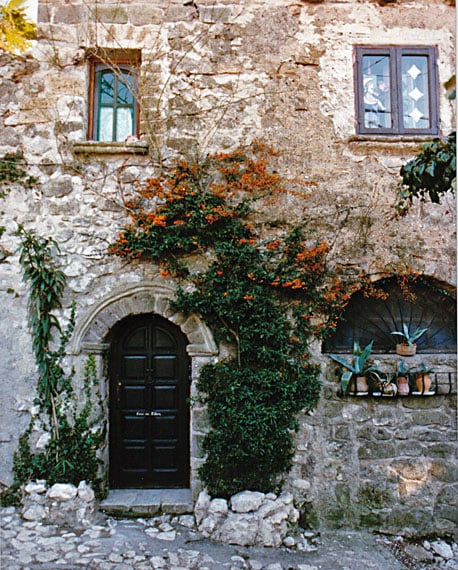
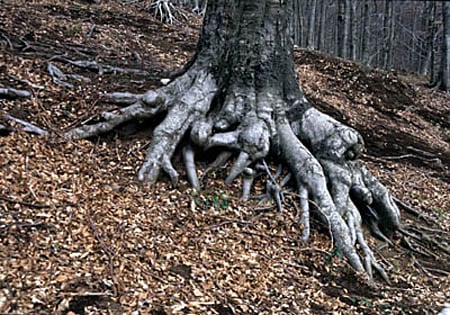
When we describe or photograph landscapes in detail, the goal is to transform an overall vision into a sensory and emotional experience. It's not just about admiring the view, but about capturing the soul of a place through its smallest elements.
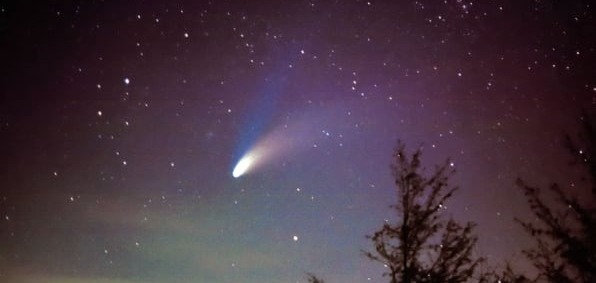
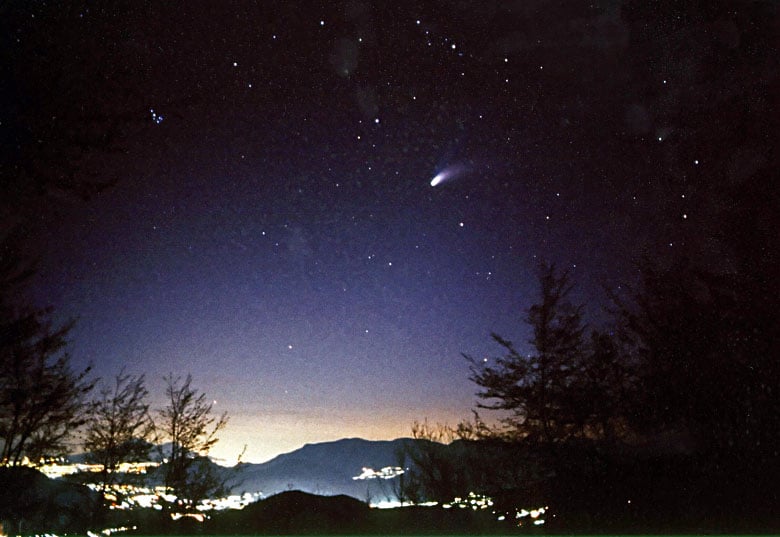
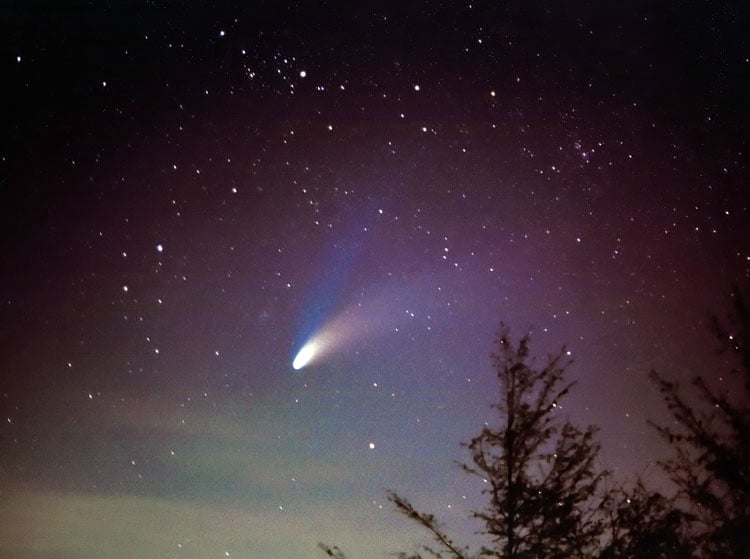
Comet Hale-Bopp, formally designated C/1995 O1, was the most widely observed comet and one of the brightest. It was visible to the naked eye for a full 18 months. It was discovered on July 23, 1995. While the brightness of any comet is very difficult to predict with any degree of accuracy, when it passed perihelion on April 1, 1997, Hale-Bopp surpassed all predictions. It became visible to the naked eye in the summer of 1996, but scientists were still quite optimistic that the comet would reach a respectable brightness. In December 1996, it was too close to the Sun to be observed, but when it reappeared in January 1997, it was bright enough to be observable without instruments. The photographs were taken on April 5, 1997, and were at their brightest when it transited perihelion on April 1, 1997.
Drag & Drop Website Builder